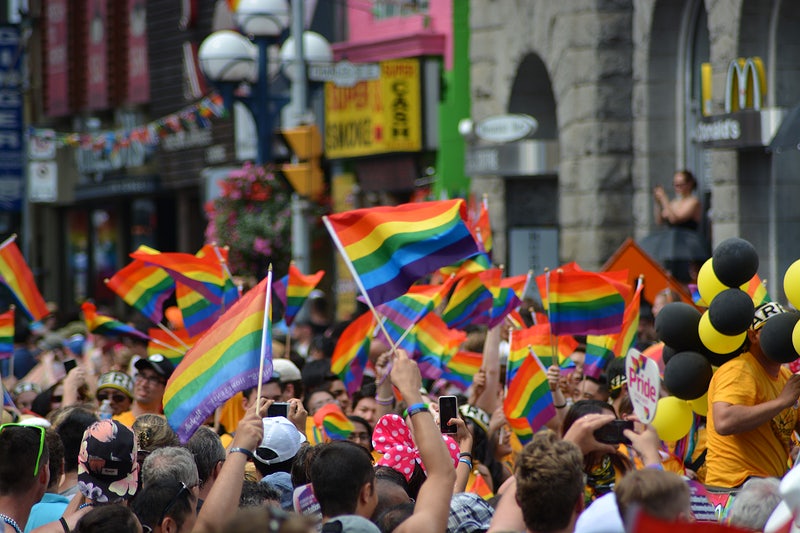
June is Pride Month, a time when LGBTQ+ communities come together to celebrate the freedom to be who they are.
The first Pride events were held in June to commemorate the Stonewall uprising in New York City in June 1969, which helped launch the modern gay rights movement.
Today, Pride is a chance to join together and honor the LGBTQ+ movement’s history. While Pride Month is known for its celebrations, it’s also important to recognize the bravery and advocacy that started it.
A Brief History of Pride
Although Pride may appear to be a month of parades and rainbow-themed branding at first glance, its origins are rooted in discrimination and activation. A month after the Stonewall uprising in 1969, the first Pride demonstration took place. The Stonewall Inn, a well-known gay bar in New York City, was a safe space for the LGBTQ+ community.
Following a police invasion of the bar in the early hours of June 28, 1969, Stonewall patrons fought back – the first of whom were Black and Latina transgender women. Protests occurred throughout the city after years of harassment by authorities, marking a turning point for the LGBTQ+ movement in the United States. On the one-year anniversary of Stonewall, events held to commemorate it became the first spark of what would become Pride.
Celebrating Pride
There are many events celebrating Pride throughout the summer. While June is recognized as Pride Month, some celebrations are held at other times of the year. Today, celebrations can include parades, picnics, parties, workshops, protests, and concerts.
Locally, there will be Pride festivals and marches held in 2022 from mid-May to late August. The Tacoma Pride Festival will hold events throughout the month of July. A list of celebrations in the South Sound and throughout Washington State can be found here.
The Importance of Intersectionality
Professor Kimberlé Crenshaw coined the term intersectionality to describe how race, class, gender, and other individual characteristics intersect and overlap, affecting how people are perceived, understood, and treated.
It is important to re-center voices that sparked the first Pride Month movements. It cannot be ignored that the pioneering contributions of Black transgender activists helped spark the modern-day LGBTQ+ movement.
Kimberlé Crenshaw’s TED Talk on the urgency of intersectionality can be watched here.
Resources
Learning about the LGBTQ+ community’s history and experiences shouldn’t stop after June, which is why we’ve compiled a collection of resources on history, education, and allyship.
Educational Resources and Definitions
- Glossary of Terms, Human Rights Campaign
- LGBTQ+ Resource List, GLAAD
LGBTQ+ History and Intersectionality
- Five Trailblazers You Should Know: Pride Edition, Smithsonian National Museum of African American History and Culture
- The urgency of intersectionality, Kimberlé Crenshaw, TED Talk
- The first Pride was a protest. For LGBTQ activists, action is still the priority., USA Today
Take Action: Being an LGBTQ+ Ally
- Basic Tips for Expanding Your Allyship, LGBTQIA Resource Center, University of California, Davis
- Be an Ally – Support Trans Equality, Human Rights Campaign
- 10 ways to be an ally to Black LGBT people, Stonewall
- The Better Allies email list shares five weekly actions to create a more inclusive workplace.
- Straight for Equality’s Guide to Being a Straight Ally: Learn more about what it means to be a straight ally and get tips and tools to being more supportive of your LGBTQ+ friends, family, and colleagues.
Also in June: Juneteenth
Because intersectionality is so essential, it’s equally important to recognize Juneteenth during Pride Month. Juneteenth (short for June 19th) is an annual commemoration of the abolition of slavery in the United States. Learn more about Juneteenth and its history here.